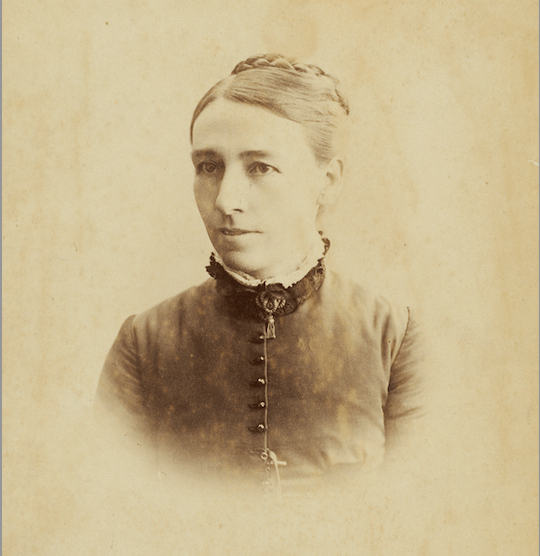
From the collections of the State Library of NSW. [SPF P1/A](Mitchell Library). Source: https://dictionaryofsydney.org/entry/anderson_maybanke
Maybanke Aged Care on the Corner of Frazer Street & Wardell Road was named after one of Sydney’s most interesting and important reformers and feminists, Maybanke Susannah Anderson (1845-1927).
Born in Surrey, England, she arrived in Sydney in January 1855. On 3 September 1867, Maybanke married Edmund Kay Wolstenholme, a timber merchant from West Maitland; by 1871 they were living at Balmain and he later became an accountant. Late in the 1870s the Wolstenholmes moved to the Dulwich Hill and by 1882 had built a large new home, Maybanke, in spacious grounds.

Source: Inner West Council Local History Picture Collection.
Deserted by her unemployed husband in December 1884, she began to advertise a school the next year. Over the next decade she built up a considerable reputation for Maybanke College through its modern teaching methods, the success of its pupils, especially in university examinations, and through her own public activities. In 1892 she divorced Wolstenholme for desertion, under Sir Alfred Stephen’s Divorce Amendment and Extension Act.

Source: https://www.agedcareguide.com.au/maybanke-aged-care-centre
From the early 1890s she had become interested in and active in the suffrage question, working with Louisa Lawson, Rose Scott, Dora Montefiore and many others in the Womanhood Suffrage League, and training herself as a public speaker. In 1893 she founded The Woman’s Voice, a newspaper that advocated feminist causes, and helped found the Kindergarten Union of NSW, designed to help the youngest of the poor.
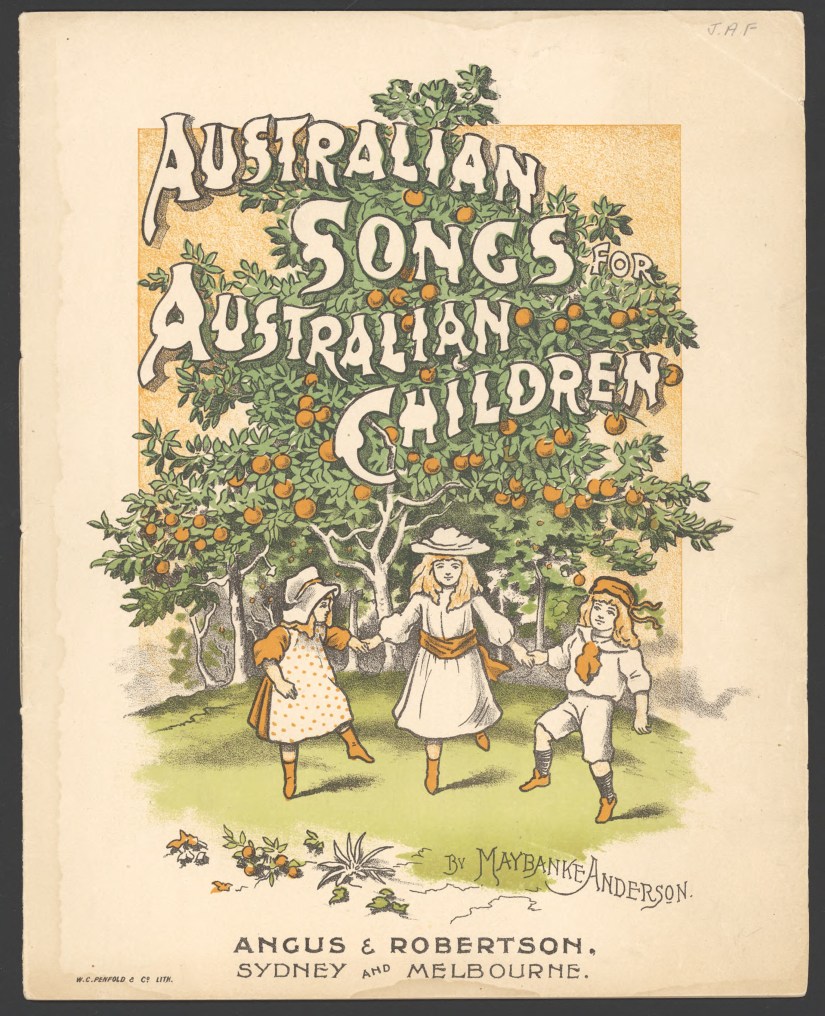
Some years after her divorce, she married Francis Anderson, professor of Logic and Philosophy at the University of Sydney and a reformer in his own right. They worked together on educational issues, and Maybanke became a prolific writer, producing reports, pamphlets, local histories, childcare manuals, and even songs.
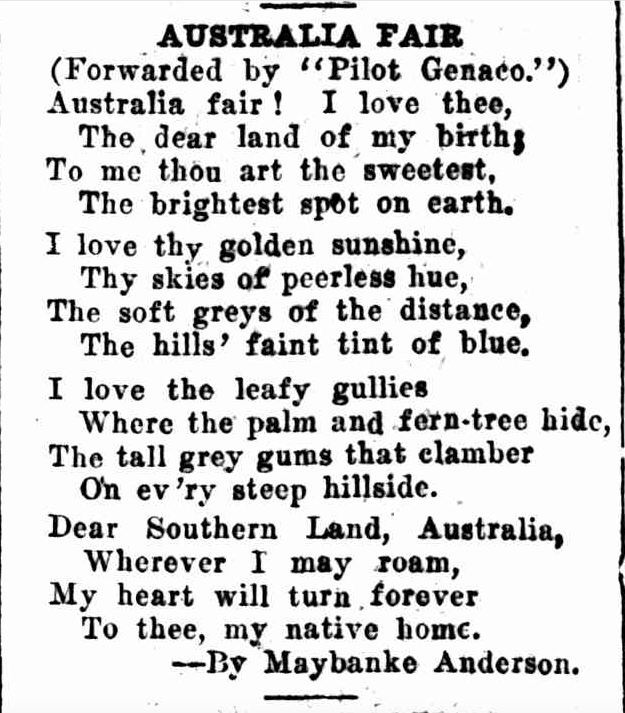
Source: Trove
A member of the Royal Australian Historical Society, she published the ‘Story of Pittwater’ in its Journal and Proceedings (1920). Later the Andersons moved to Hunters Hill and Maybanke again set about compiling a local history, which she read to the society in 1926.
Towards the end of that year the Andersons set off on a third tour of Europe. Maybanke sent articles about her travels to the Sydney Morning Herald until she died on 15 April 1927 at St Germain-en-Laye, Paris.
REFERENCES:
Dictionary of Sydney
Australian Dictionary of Biography
 Marrickville Heritage Society