Several years ago, during the refurbishment of 248-250 Marrickville Road, Marrickville Heritage Society (MHS) committee member Iain Carolin spied a number of signs on an internal wall – ‘ghost signs’.
We monitored the continued existence of these signs over the years and were able to gain access to record them, just in case they were lost.

See below for short stories about each product.
Image: Rod Aanensen
But when the site was occupied by ‘Petbarn’ we were very pleased to learn that the company was also concerned to preserve the signs. ‘Petbarn’ generously offered to provide signage, with commentary from MHS, to give customers an understanding of them.
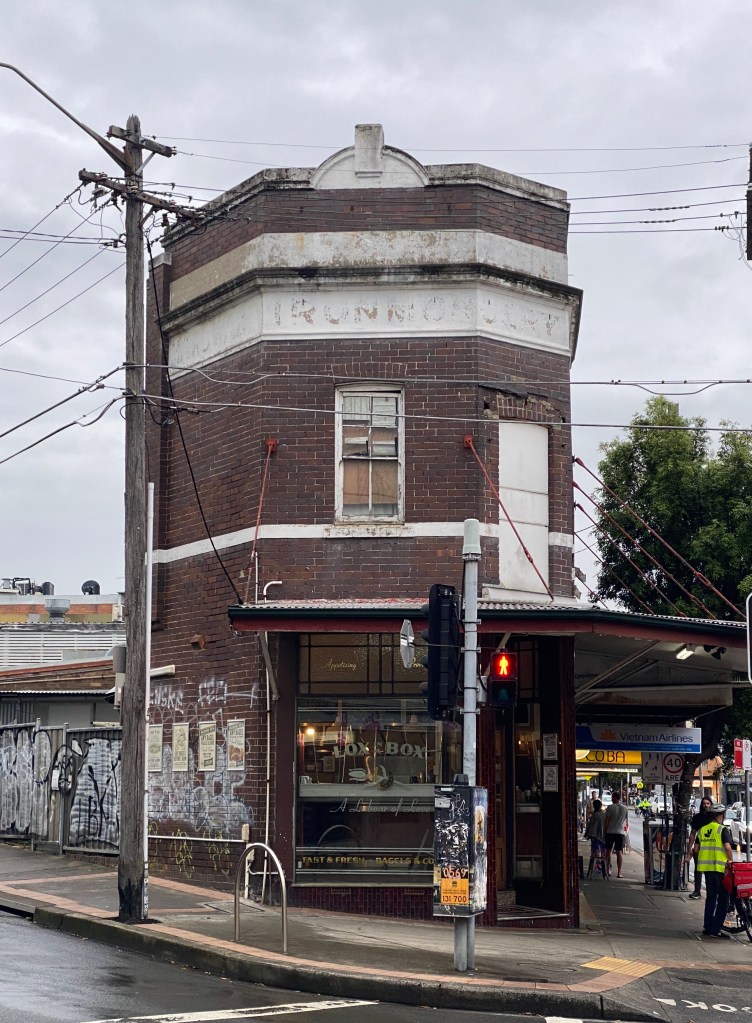
The ironmongery shop of E.L. Treasure (1923-1933).
Image: Rod Aanensen
A ‘ghost sign’ is an advertisement for a business, product or service that has been painted onto a wall. The signs have often survived long past the advertiser, often having been covered over and thus preserved for decades. They are dotted around our urban landscape and often new ones come to light during the demolition of their building or buildings next to them.
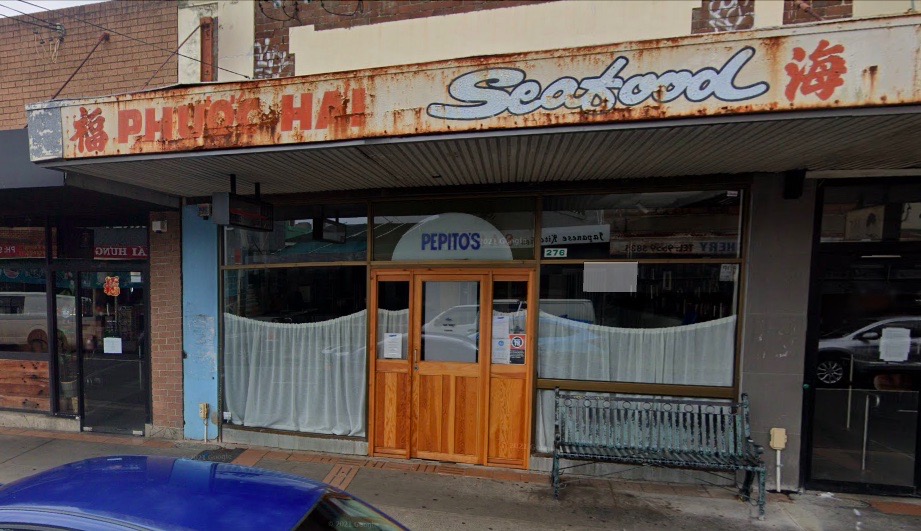
Image: Google Maps, February 2021.
The signs at 248-250 Marrickville Road are internal and were created for Farr’s Markets Ltd. While providing evidence of the company’s existence, they also tell a story of a change in the way we shop.
The site itself has a special place in the development of Marrickville Road as a shopping precinct.
This Gadigal land had been part of the ‘Woodlands’ estate of John Jackson Calvert, Clerk of Parliament in the NSW Legislative Council.
Calvert’s estate was bought by the Excelsior Land Investment Company during the building boom of the 1880s. This boom occurred throughout Sydney but was especially strong here because of the extension of the railway line to Bankstown. Just as today, people argued for more housing around new transport links, creating a buying and selling frenzy. This development lead to Marrickville Road becoming the main road of Marrickville and businesses flocked to it.
The modern ‘Petbarn’ site was purchased by Wilhelm Ipkendanz, who owned the Royal Exchange Hotel across the road. Eventually the land was sold to William Carmichael who, having started in a little tin shed, had a factory and showroom built. (Noted in 1972 by local Charles Willis in a speech at Marrickville Public School.)
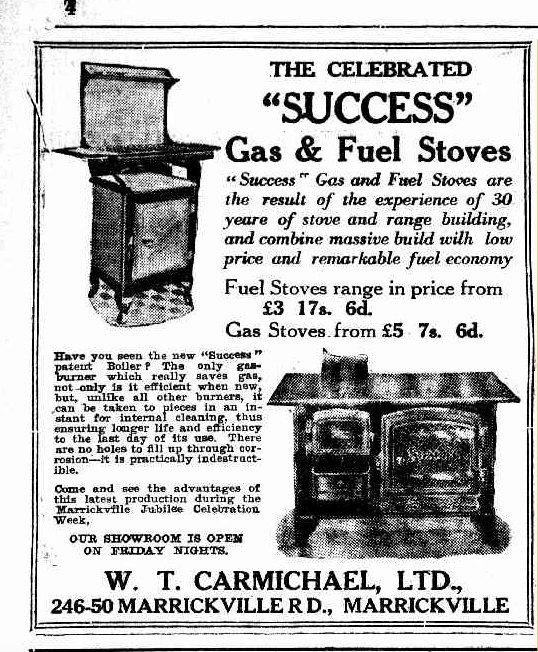
The Daily Telegraph, Page 4, 10/02/1922.
Image: Trove
William Carmichael’s business making cast iron stoves and grates was hugely successful, winning awards and praise from many, and he rather cheekily named his stove range “Success.” By 1927 the business was too big and he moved it to Auburn while continuing to live on Wardell Road, Dulwich Hill. His house “Cloonkell” (an area in County Galway, Ireland) has gone, now part of St Maroun’s School.
Carmichael leased the property to Farr’s Market’s Limited in 1928.
Farr’s Markets had started in Newcastle in 1923 and quickly grew in regional NSW. They moved to Sydney, starting in Bondi Junction in 1925. Farr’s represented a new type of retail store known as ‘Cash and Carry’ grocery stores.
This type had been started in Memphis Tennessee by a man called Clarence Saunders, when he opened ‘Piggly Wiggly’ in 1916.
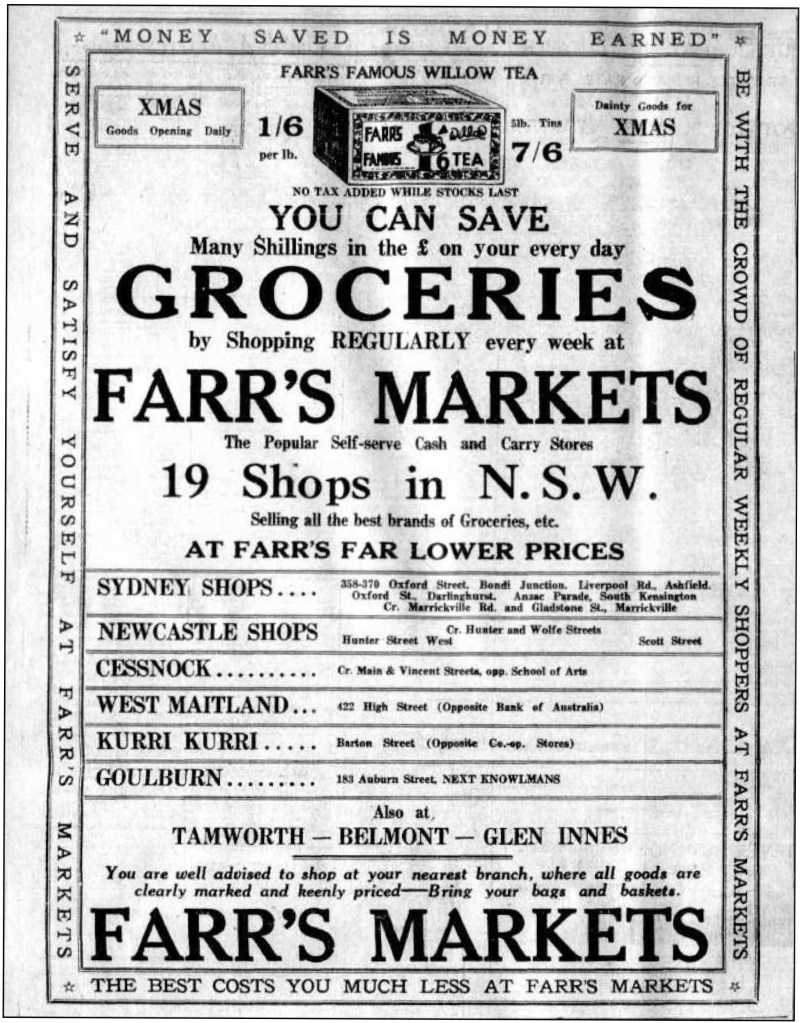
Shops in Bondi Junction, Ashfield, Darlinghurst, South Kensington, and Marrickville.
Image: Trove
Farr’s promotional department put it this way:
‘People dislike being importuned to buy, and much prefer to stroll through the store and pick out what they want without interference or urging. All Goods are displayed inside the store for your inspection, and Prices are marked in Plain Figures. Please walk right in. Bring your Basket and Serve Yourself. Your patronage is respectfully solicited’.
– Farr’s advertisement, Newcastle Morning Herald and Miner’s Advocate, 3/12/1923.
This description is very familiar today. This type of store was the beginning of the supermarket. In fact, Farr’s Markets Ltd has been cited as the first to use the term ‘super market’ in Australia.
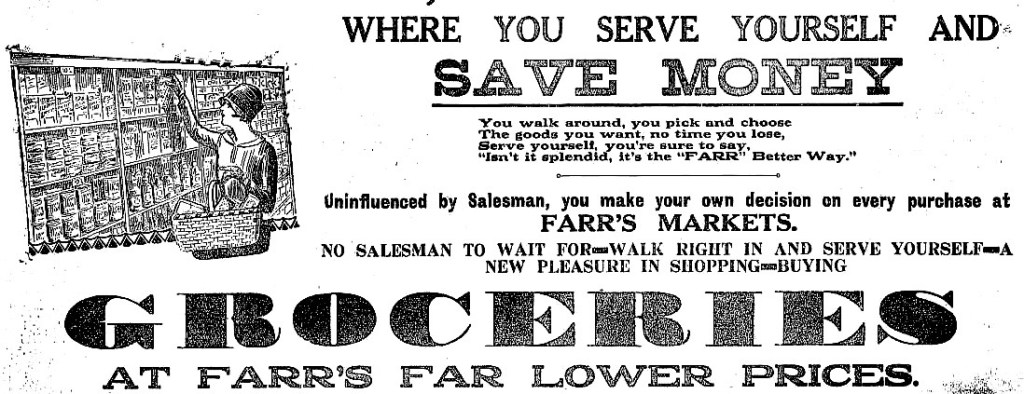
Image: Trove
In 1928, people in Marrickville could shop at over 90 grocers, 8 bakers, 30 butchers, 50 confectioners (cake shops), 35 fruiterers/greengrocers, 15 ham and beef shops (equivalent to today’s delicatessens) and 6 milk vendors or even direct from the 6 dairy keepers still operating in Marrickville. From Sand’s Postal Directory 1928 ‘Trades and Professions’.
Many of these operators would deliver to your door; you could buy on credit and the owners were integral parts of the community. George Siddins, a grocer on Illawarra Road, served his community for over 30 years along with his two sons George Jnr and Harry (Tup). It would take many years, but vendors like George and family would be replaced by the supermarkets, and many of their corner premises occupied by architects and cafes or converted to homes.
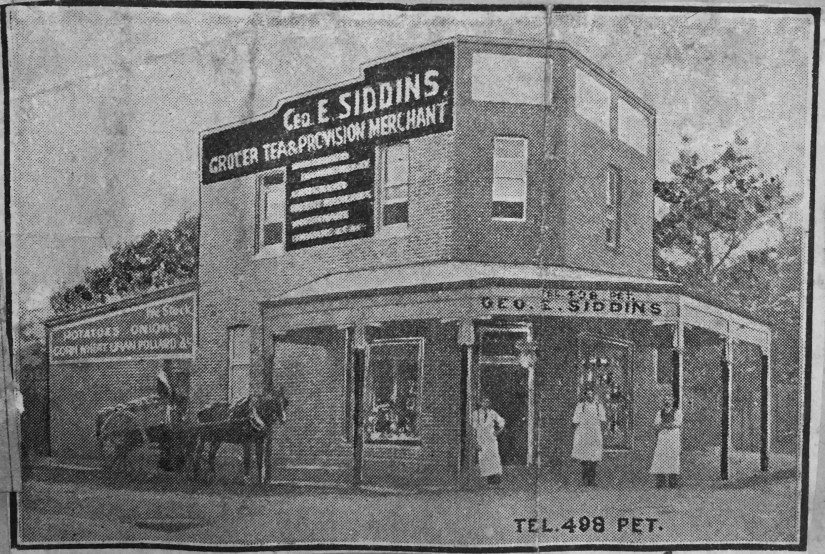
Image: From ‘Scrapbook of news cuttings on the Meek Family’, Mitchell Library, SLNSW
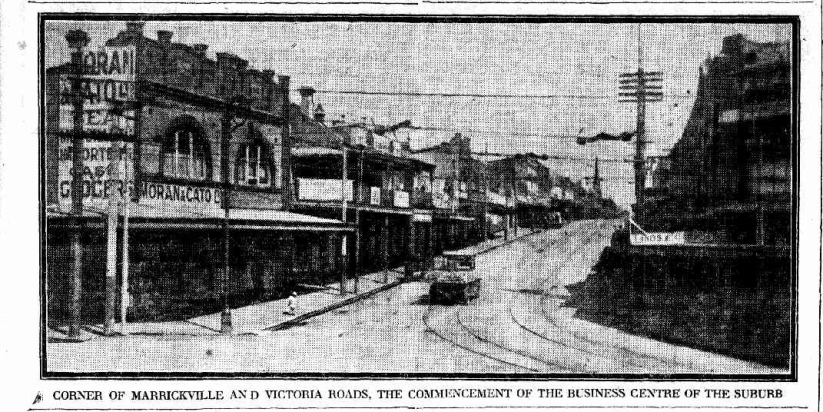
Besides Farr’s Markets, Marrickville Road has seen other players in this shopping transformation. In 1916 Moran & Cato occupied premises on the south-west corner of Marrickville and Victoria roads (Bank of Sydney building). This company had been established in Melbourne in 1881 when two cousins merged their grocery businesses. It went on to create a chain of over 150 grocery stores in Victoria, Tasmania and New South Wales. Its Marrickville store closed in 1925.
The Daily Telegraph, Page 5, 10/2/1922.
Image: Trove
A little further up the road at number 246, next door to Farr’s Markets, John Quoyle Ltd had established the “Groceteria Self Serve Store” in 1922. It managed to survive until 1932.
Farr’s Markets also appears to have found the depression tough going. The original company went into liquidation in 1938 and Farr’s Market’s (Sydney) Pty Ltd, owners of the Marrickville store, went into liquidation in 1940.
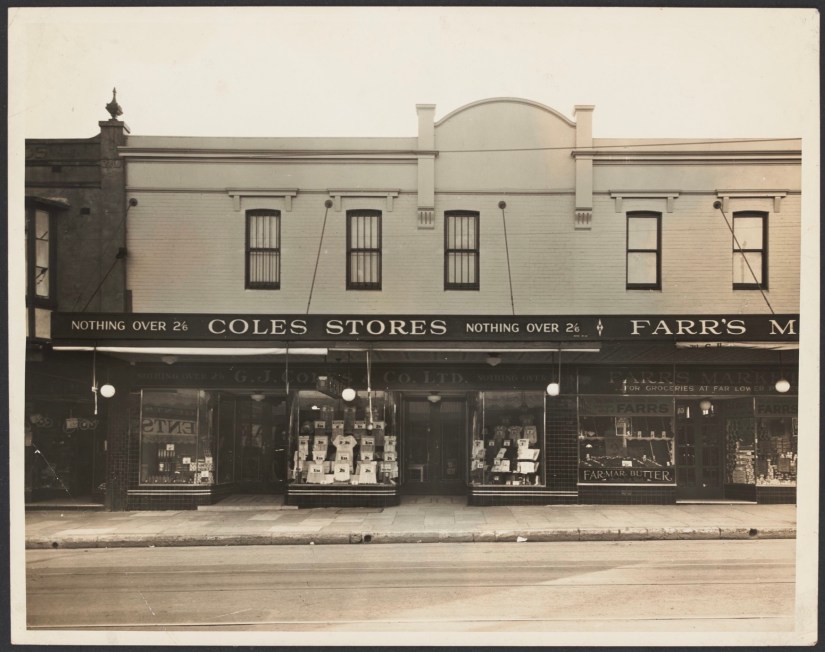
By this time, Farr’s had a new neighbour who gradually encroached on their site as they ‘downsized’, then closed. This was G. J. Coles and Company which had started in Melbourne in 1914. They leased part of the building in 1936 and opened their Number 37 store. Initially, Coles stores did not sell groceries – they were general traders selling clothing, footwear, haberdashery and other everyday items promising nothing over 2 shillings and 6 pence.
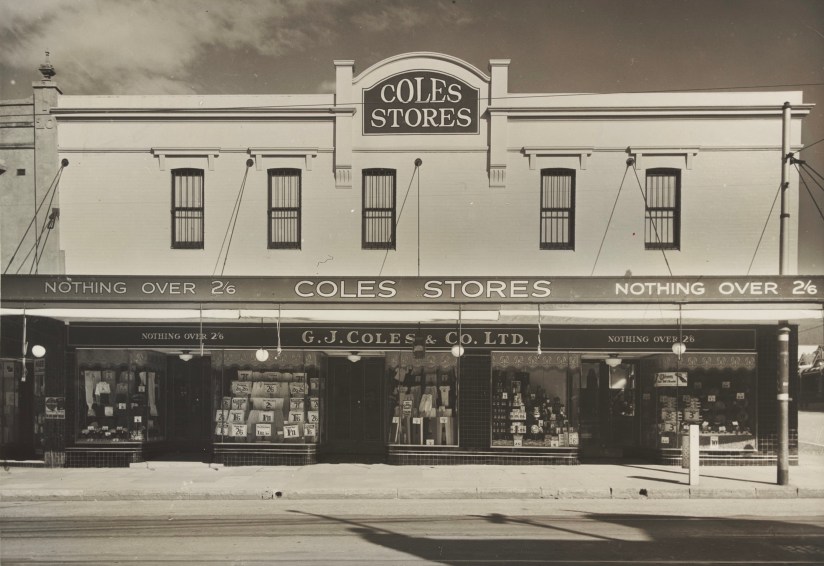
Image: Sidney Riley, 1940: State Library of Victoria.
In the late 1950s Coles, along with Woolworths, converted their stores to the self-service model and moved into groceries. Woolworths had also started as a general merchandise store. They also began buying up other businesses. Several of Coles purchases (for instance Fossey’s and Target) were to occupy 248-250 Marrickville Road over the years, but that is another story.
The Signs
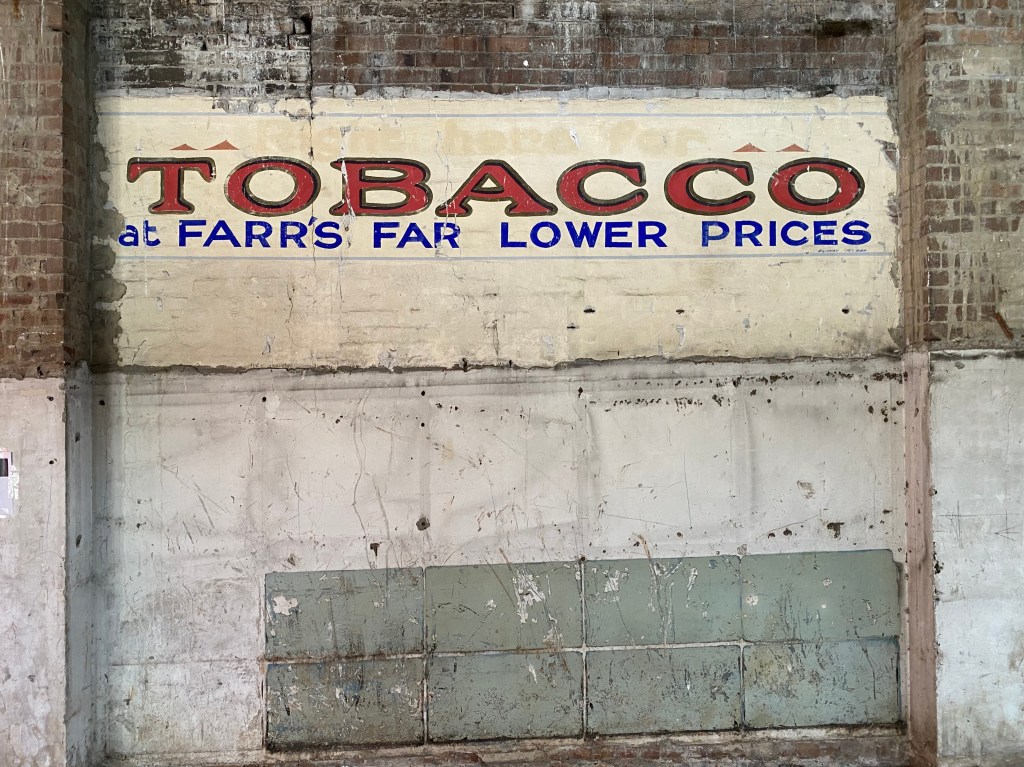
Image: Rod Aanensen
This sign has been covered up, probably for the best in today’s world. It is interesting that Farr’s did not advertise particular tobacco brands, although they did for cigarettes. They do use one of their catch phrases in the promotion; “Farr’s far lower prices.” In November of 1930 thieves broke a pain of glass on the roof, entered the store and stole £150 of tobacco. Farr’s must have kept quite a lot of tobacco on the premises.
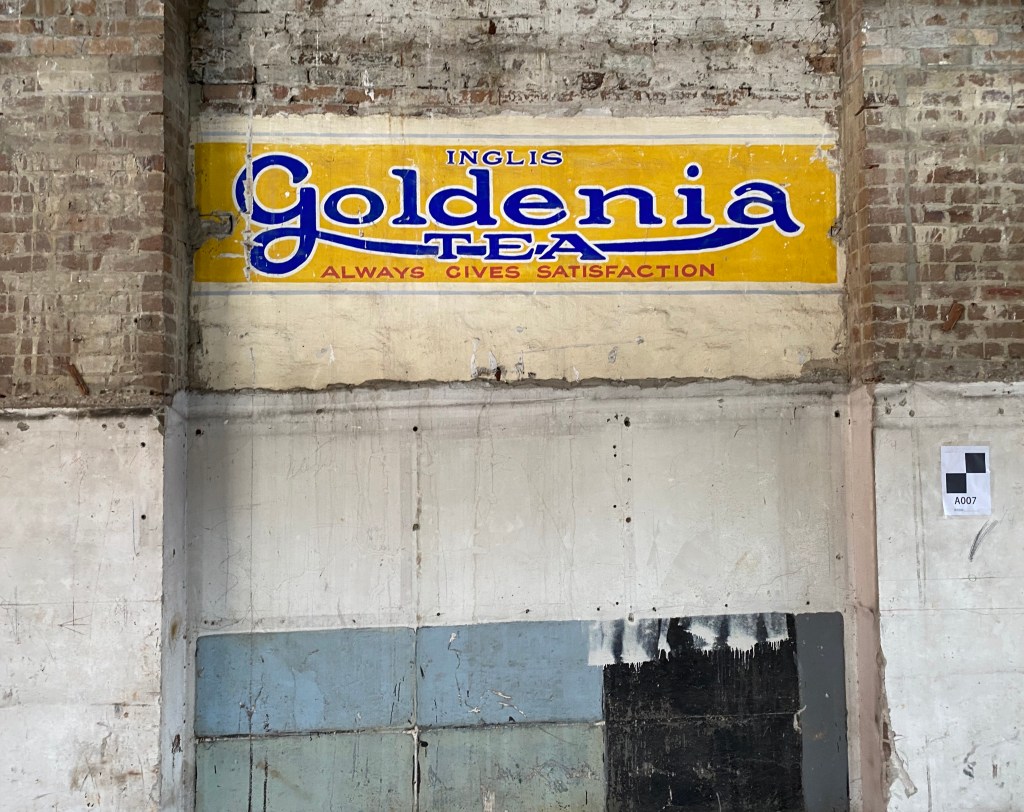
Image: Rod Aanensen
Tea merchants, James Inglis & Co., of Deans Place, Sydney, first trademarked the name ‘Goldenia’ Tea in 1894. It was described as “fine tippy Ceylon” tea and soon became a favourite of Australians, joining another Inglis tea called ‘Billy’ tea. Goldenia tea ghost signs can be found all over Australia. James Inglis is an extremely interesting character. I recommend you read a little about him via Australian Dictionary of Biography and Wikipedia.
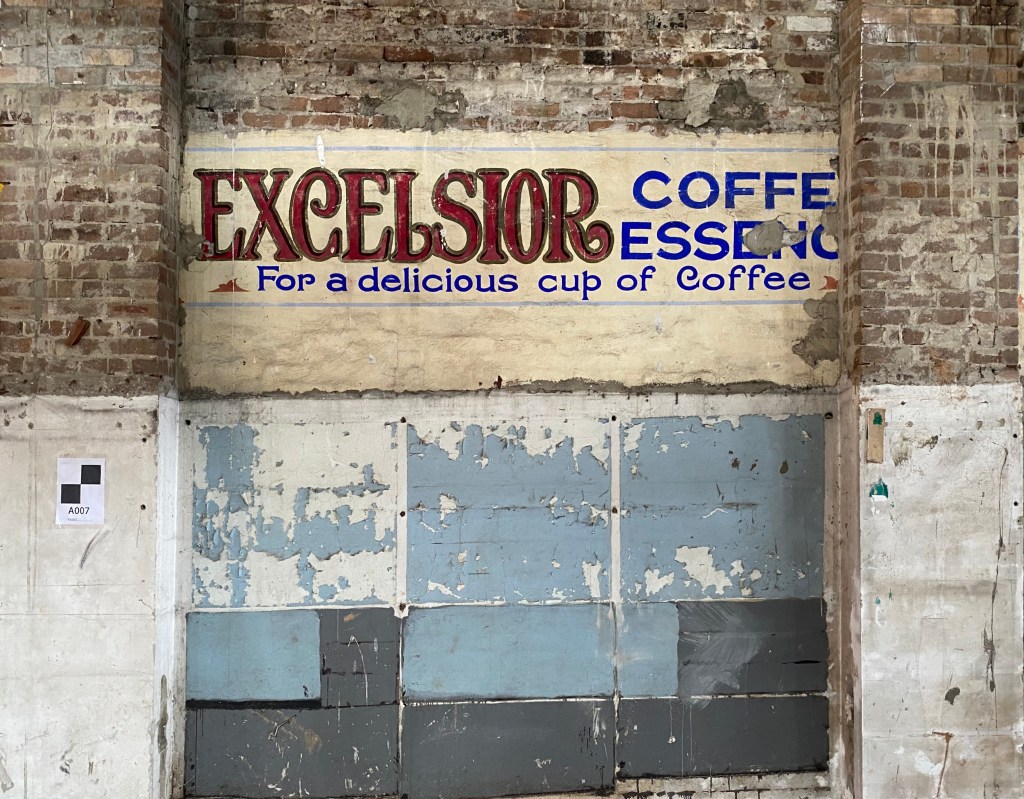
Image: Rod Aanensen
One of the best-selling coffee preparations of the time. People could simply add the essence to boiling water with milk to make a cup of coffee. The lettering of ‘Excelsior ‘ indicates this product was produced by James F. McKenzie Pty. Ltd. The company is now known as McKenzie’s Foods.
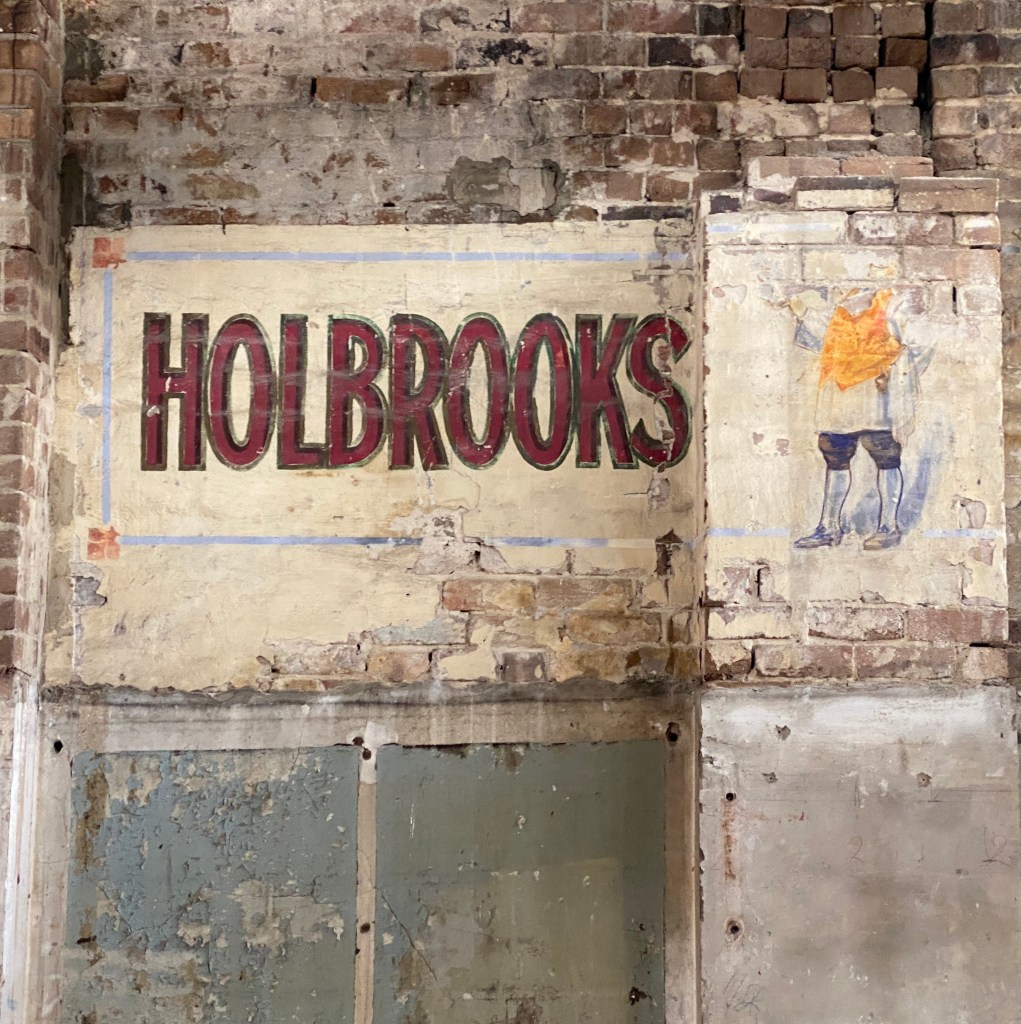
Image: Rod Aanensen
Holbrooks was a company from the English Midlands that produced Worcestershire sauce. The company used ‘Host Holbrook’, the figure on the right, as its advertising mascot. Dressed as an 18th Century English inn-keeper, he was seen as a quaint figure even in 1933.
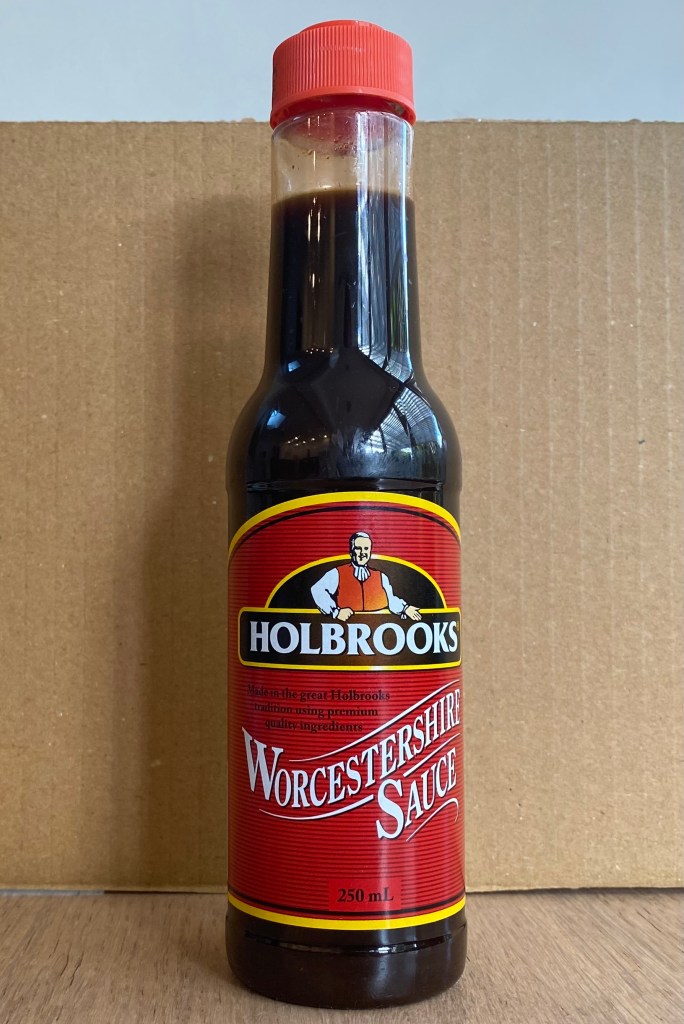
Image: Rod Aanensen
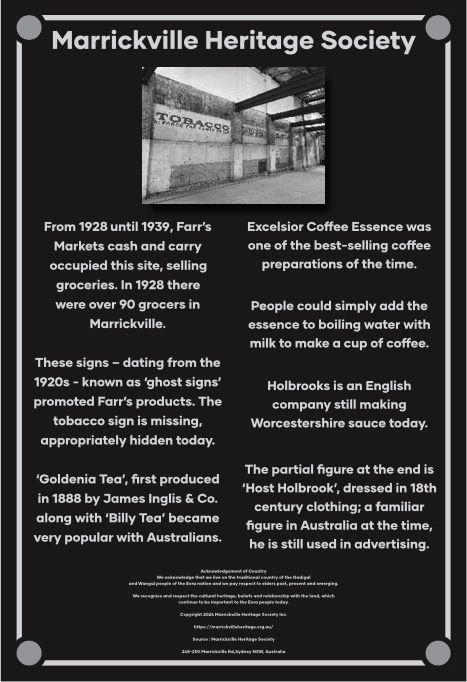
Our thanks to Petbarn for keeping this story alive.
Rod Aanensen
 Marrickville Heritage Society
Hi Rod,
Thanks for the old story they bring back a great time in the old day’s. I use the Worcestershire sauce in my gravy mix, still to day.
Cheers Trevor
LikeLike