
Today, families of working parents rely on services such as kindergartens, daycare centres and preschools to educate, socialise and care for their children under the age of six.
These facilities are an integral part of our community and recently three of them have had their 80th anniversary.
The idea of ‘kindergarten’ is much older, and our area and its people have had a role in the promotion and introduction of the idea in NSW and Australia.
Frederick Froebel, a German educationalist, had developed the idea of “children’s (kinder) gardens” (gartens) as a way of nurturing child development at the end of the 1830s. Children were like saplings who with the right nurturing would grow into morally strong, hardworking, intelligent trees. The best way to do this, according to Froebel, was through play – that being the way small children explored their world. Kindergartens would be play schools, but not in the way we think of play today. No free and individual play here; rather lessons would be taught in a playful way, not the chalkboard and rote learning of the primary schools.
In August 1895, a group of middle-class men and women met at the tea rooms of Quong Tart in Sydney. They were there to discuss kindergartens and how to introduce and incorporate them into the education system of NSW.
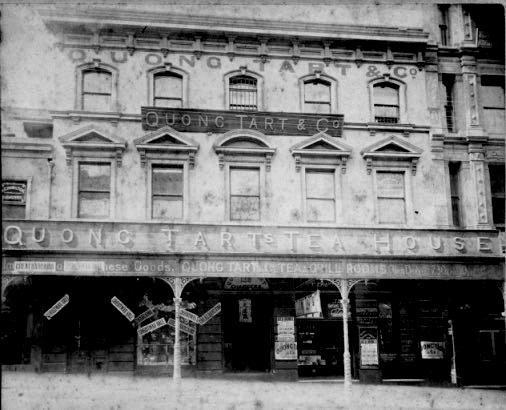
Ashfield resident Quong Tart’s rooms played a significant role in the political life of Sydney. Early suffragists and feminists such as Louisa Lawson, Rose Scott and Maybanke Anderson found the tea rooms a ‘safe space’.
Image:Tart McEvoy papers, Society of Australian Genealogists
The group that gathered at Quong Tart’s tearooms would form the Kindergarten Union (KU) of New South Wales, known today as KU Children’s Services. It included a number of women involved in the women’s suffrage movement and various academics. The most prominent person was Dulwich Hill local Maybanke Wolstenholme who would later marry another from the group, Professor Francis Anderson, and change her name.
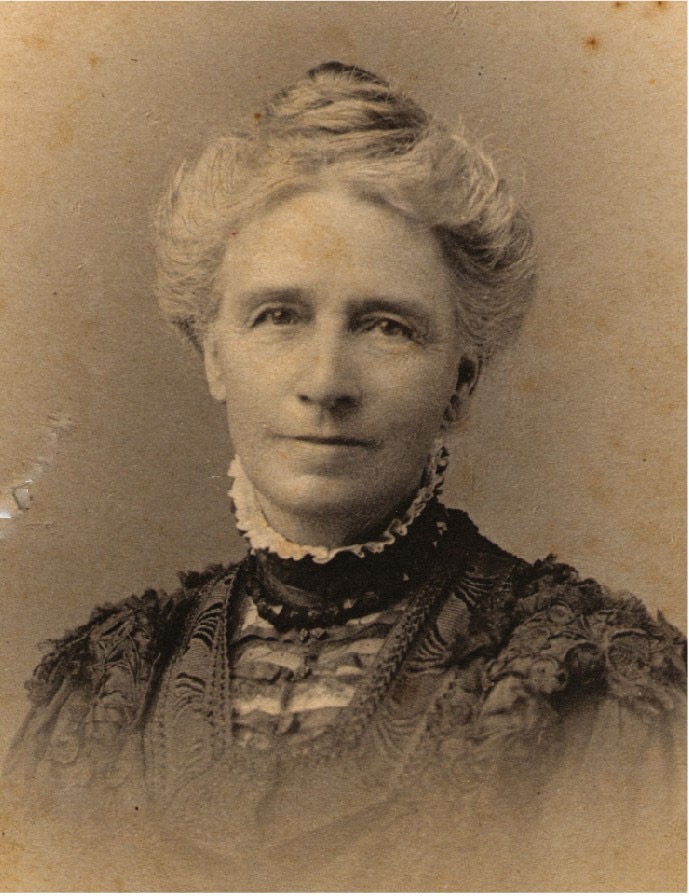
Feminist publisher, ‘Woman’s Voice’; Suffragist, Womanhood Suffrage League of NSW; Educationalist, Kindergarten Union of NSW
Image: Unknown
Maybanke Anderson was a woman of limitless energy. Deserted by her first husband she had converted the family home, Maybanke, in Dulwich Hill into a “school for young ladies” which included a kindergarten. She became a major figure in the women’s suffrage movement and at the same time took up the cause of childhood education.
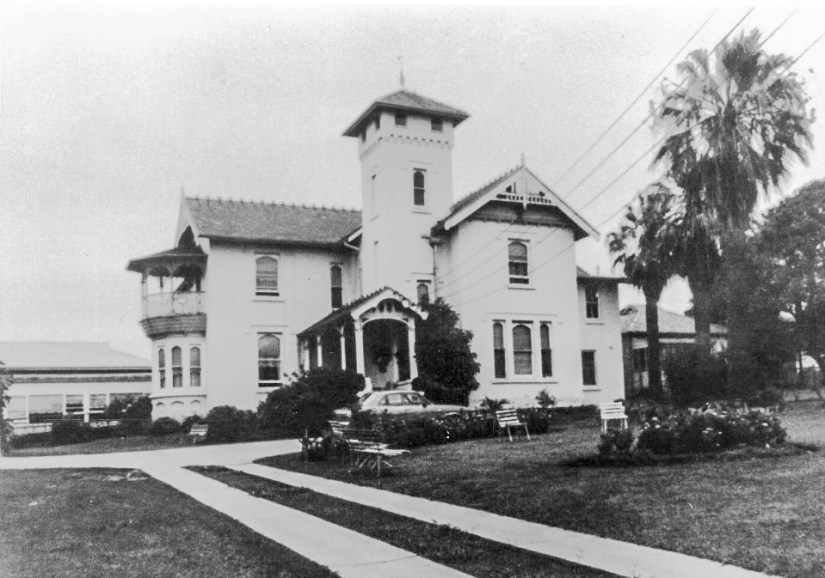
Image: Inner West Council Local Library Picture Collection
Maybanke was able to enlist the support of wealthy and well-connected people in her efforts to bring kindergartens to “the slums”. At her own school’s kindergarten festival in the Petersham Town Hall in 1895 she was able to get the Premier of NSW to attend and study how kindergartens worked.
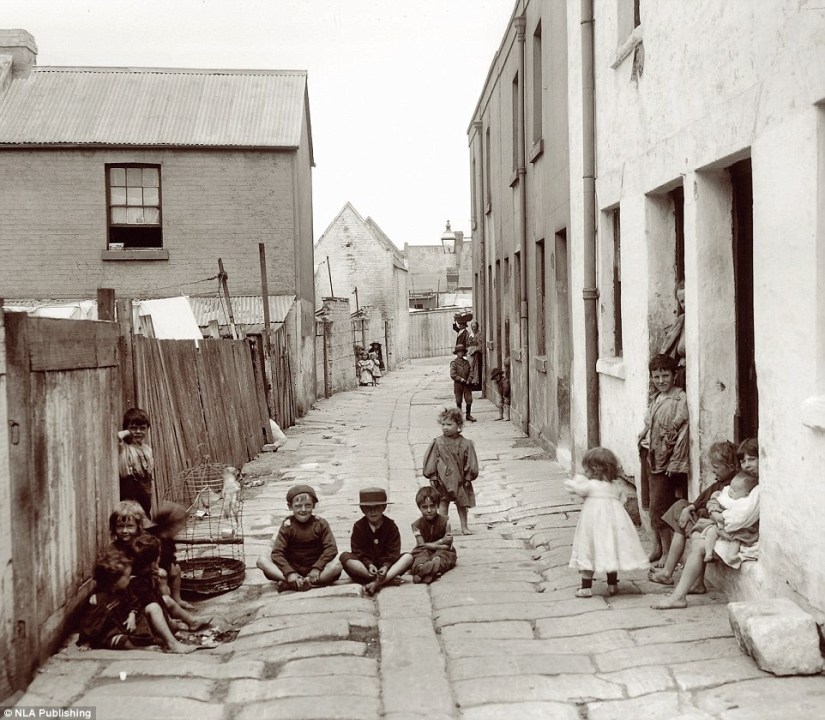
Image: Marked National Library of Australia, retrieved from Daily Mail Australia website
Getting free kindergartens to the poor became a major focus of the Kindergarten Union. Sydney had boomed in the 1880s and then fallen into economic depression in the 1890s. With terrible slums and children on the streets, poverty amongst the working class was in plain sight. Fears that this would lead to crime and other deprivations was a major concern amongst the wealthy and the social reformers of the day.
Maybanke was quoted as saying that it was necessary to establish kindergarten schools in the poorer parts of Sydney, so that children from 2 to 5 years old could be cared for instead of growing up “as best they might in the streets or gutters”.
Froebel’s ideas coincided with the belief that it was necessary to steer working-class children (the poor) on the right road to adulthood. Within a year the KU opened a free kindergarten in Charles Street, Woolloomooloo.
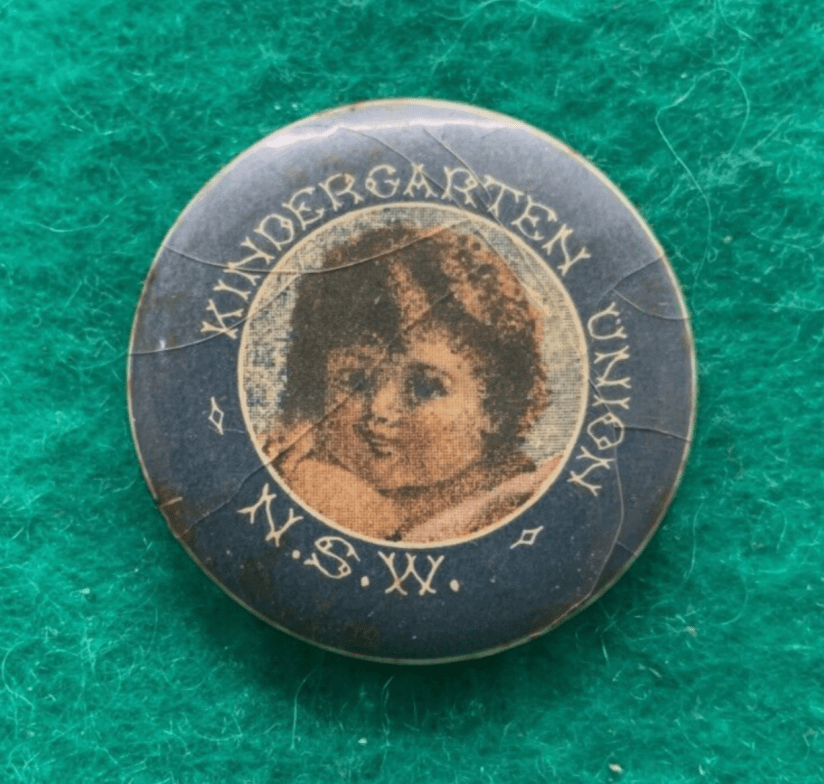
Image: ebay.com.au, Kurt Coleman Military Antiques
The second free kindergarten opened in February 1898 in ‘Victoria Lodge’, a house at 30 Bligh Street (now Carillon Avenue) in Newtown. It was officially opened by Quong Tart (a long-time supporter) and by 1911 there were eight such kindergartens across Sydney.
Kindergarten hours were split into two: 9.30am to 1.00pm and 2.00pm to 3.30pm for children aged three to six. But this did not suit many working women, and as a result a group of women from KU formed the Sydney Day Nursery Association (SDN.)
They established the very first long day care centre in NSW in a terrace house in Dowling Street, Woolloomooloo in 1905. “For 3 pence a day, children [aged from birth to 3 years old] were bathed, clothed and cared for from 7.00am to 6.30pm and fed balanced meals with fresh milk.” By 1927 there were five SDN centres in Sydney.
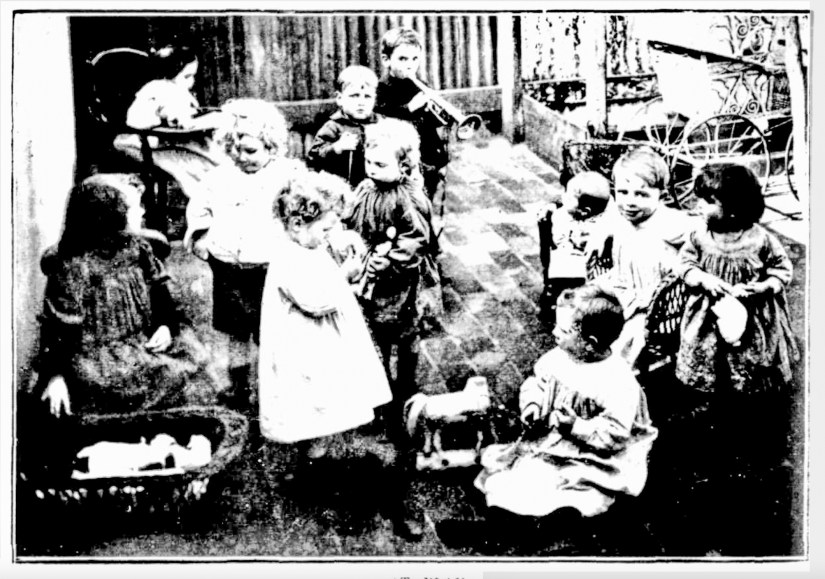
Image: Trove; The Sydney Mail and NSW Advertiser 20/6/1906, Page 20.
While the original idea of full state involvement in early childhood education and care has not happened as yet, in 1937 there was a significant shift in that direction. Changes to the Local Government Act 1919 allowed councils to subsidise kindergartens and long day care centres.
As in the 1890s, the 1930s saw a great depression. Unemployed workers struggled to feed and house their families and then the Second World War began. Nearly 400,000 men and 6,000 women were sent overseas and out of the Australian economy.
Our area was seriously affected by both events, but we had one saving grace – woollen mills. The mills were actually helped by the depression as imports of foreign materials were cut back. During the war the mills were officially part of the ‘war effort’ as cloth production was ramped up for blankets, uniforms and other types of clothing.
Three large woollen mills – Vicars, Australian, and Globe Worsted – operated here and in the 1930s they employed about 3,000 people, mainly women. The Australian Woollen Mills workforce was 75% female and they were expected to work 9-hour days in spinning, weaving and mending.
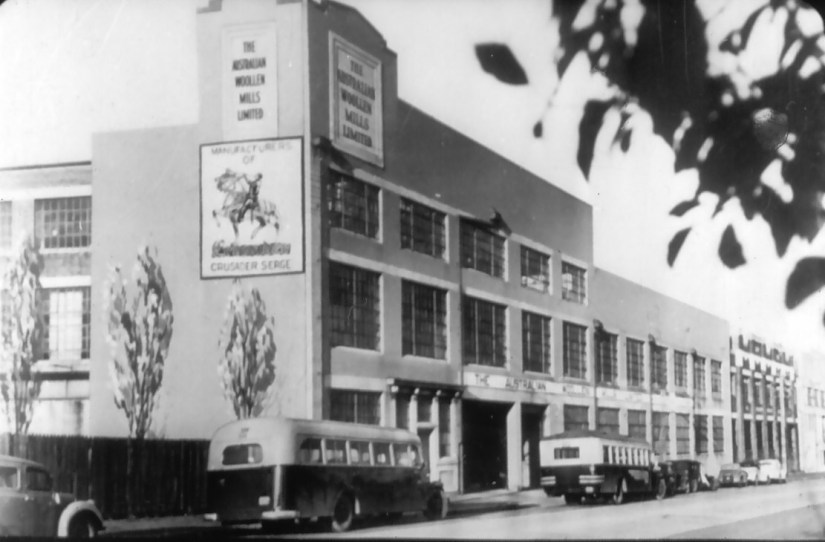
Image: Origin unknown, but used in Wool/Textile Industry Educational Slideshow called “Achievement”.
In August 1939, Globe Worsted Mills in Gordon Street purchased a cottage across the road in Perry Street and in 1944 the company donated the property to the Kindergarten Union.
In the meantime the Sydney Day Nursery and Nursery Schools Association (SDN) and Marrickville Council had joined forces. The council purchased a shop and house on Illawarra Road and approved the building of a new day nursery.
This led to council forming the Marrickville Day Nursery and Kindergarten Committee to build, maintain and fund the nursery and kindergartens in our area.
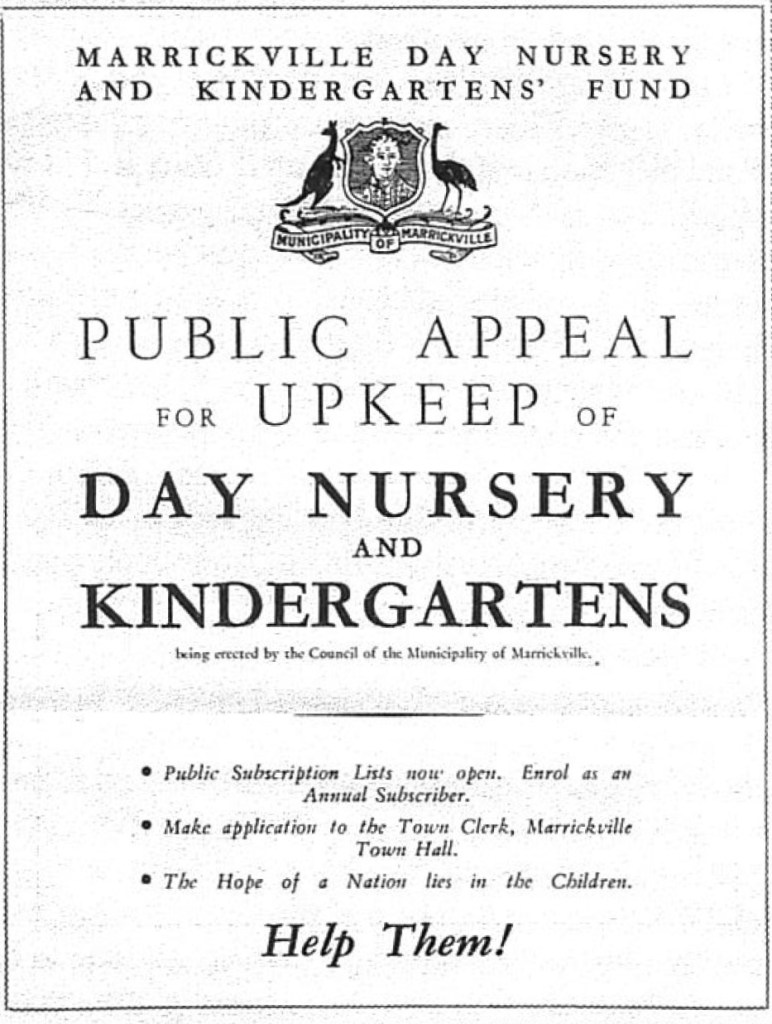
Image: SDN Archives
The community and local businesses really got behind the committee and funds flowed in from selling subscriptions and badges, galas and fetes organised by Mothers’ Clubs, and concerts performed by the Marrickville Municipal Orchestra and The Strollers. The Strollers leader, Bert Gibb, even offered wooden toys he had made. With the community and the council committed to the goal of creating these centres, things moved quickly.
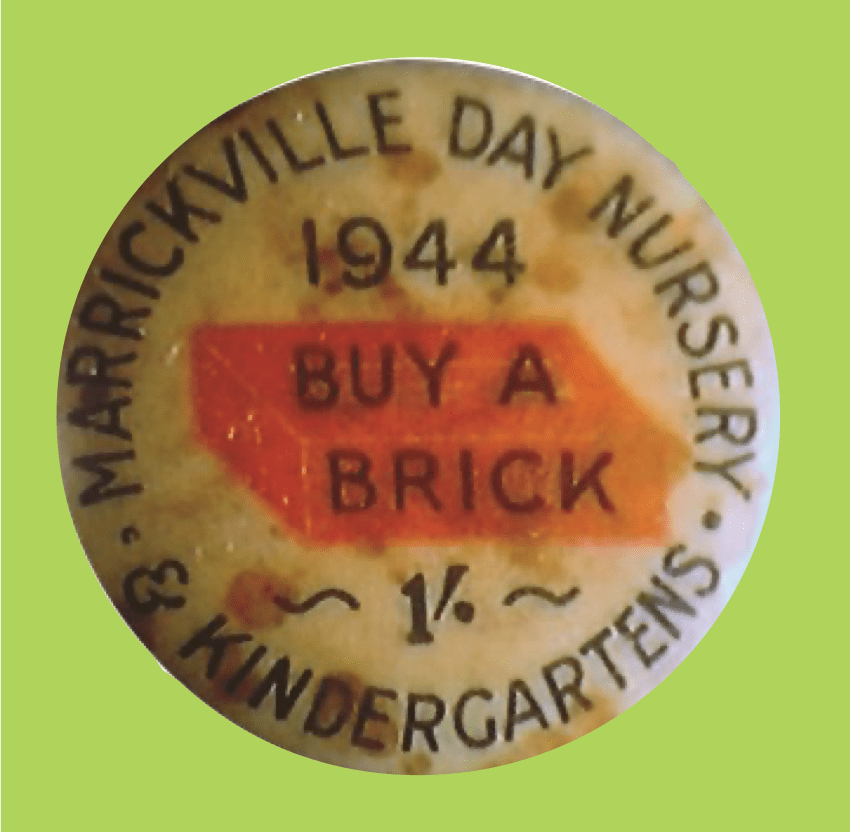
Image: Beginnings of… SDN Marrickville, October 2014. SDN Children’s Services
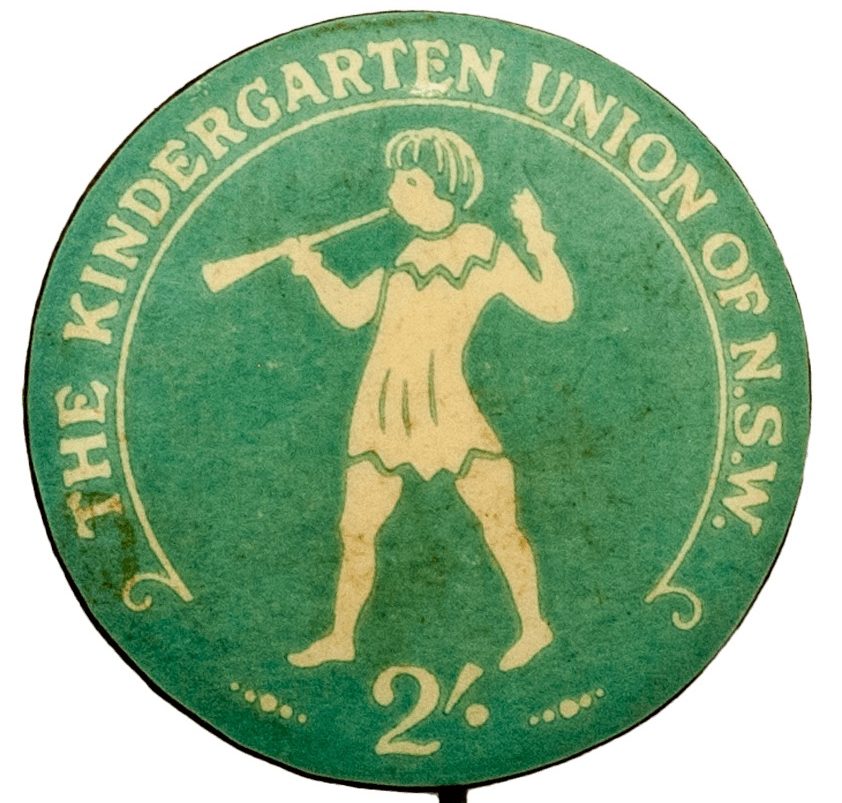
Here I should note that the Kindergarten Union partnered with Petersham Council to open a kindergarten in 1942. Petersham was a separate borough and municipality from 1871 to 1949 when it merged with Marrickville Council. Maybanke Anderson held her school’s showcase in the Petersham Town Hall in 1895. The kindergarten was on the site of the Petersham Tennis Club in Petersham Park and remains in the same building, the old club house, as KU Petersham Preschool. When it opened it could accommodate 32 children and within the month there was a 50-strong waiting list. Today there are 40 children at the preschool.
The first centre to open in Marrickville (October 1944) was today’s SDN Marrickville – Children’s Education and Care Centre on Illawarra Road. Not only did it cover nursery school services for 100 children, it came with free dental and eye testing services, and regular doctor visits. It may well be the first municipal day nursery in Australia.
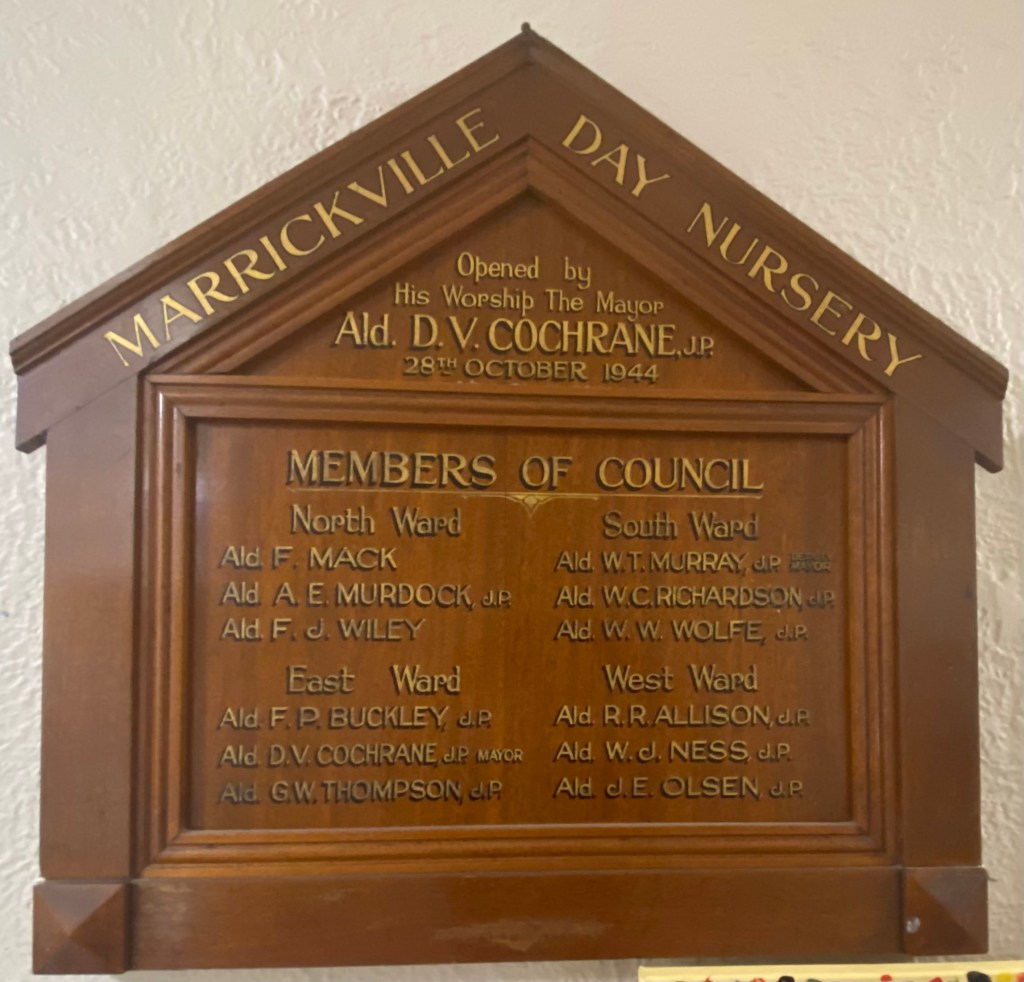
Image: Rod Aanensen
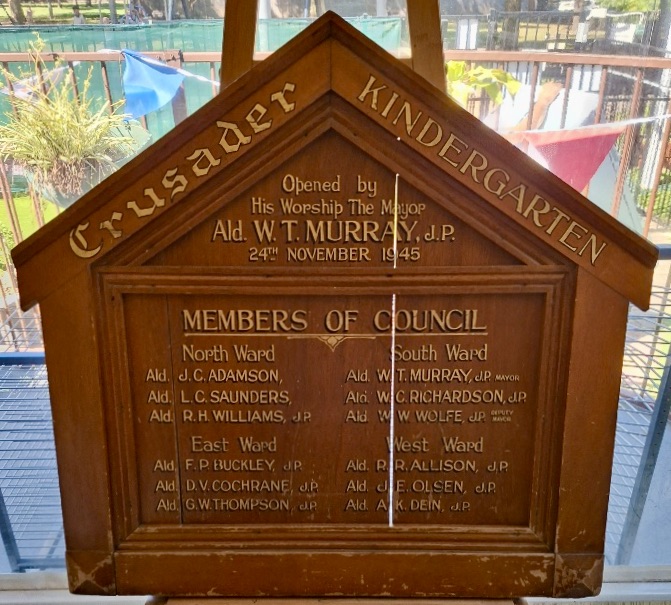
Image : Rod Aanensen
At the same time Marrickville Council also joined forces with the Kindergarten Union. They demolished the Globe Worsted Mills house in Perry Street and built a new centre which was officially opened in March 1945.
It became the KU Globe kindergarten, accommodating 60 children. The mill became a large donor of it by initially giving 500 pounds and then regular donations each year.
Marrickville Council took over full operating responsibilities for the kindergarten in 1978 and it was moved to Wilkins School in 1998.
It is known today as Globe Preschool and over the last 20 years has twice received an ‘Excellent’ rating under the National Quality Framework, the only Sydney preschool to do so.
After a battle to save the preschool being downsized and moved off the Wilkins site, the state government assisted with the construction of a new building on site which was opened in 2021.
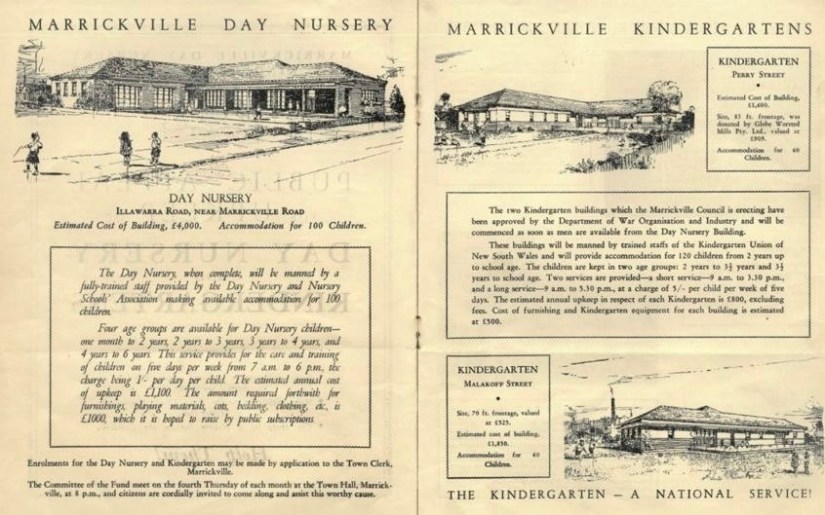
Image: https://www.sdn.org.au/story-hub/opening-sdn-marrickville-80-years-ago/
The final centre to open is in Malakoff Street. Again the KU partnered with Marrickville Council, which provided the land and building. It was officially opened in 1945 with the name KU Crusader. Mayor William Murray had approached the Australian Woollen Mills (AWM) to see if they might ‘adopt’ a kindergarten, as the Globe Worsted Mills had – an early example of naming rights. This savvy move received a positive response and the AWM donated 500 guineas to the kindergarten fund. They chose the name ‘Crusader’, which was the name of their most famous brand of cloth. Crusader cloth was of a very high quality and was particularly used for men’s trousers, suits and the like. Their very large factory was on land now occupied by Wilkins Public School, which ironically is where the preschool named after their rival, Globe Worsted Mills, is situated.
Today, with a resurgence of young families moving into our area, we can thank our forbears for the creation of the preschools mentioned in this story.
Rod Aanensen
I would like to thank the following people for their help with researching this story:
Megan Montgomery, Director, KU Crusader Preschool; Natasha Quarterman, Administration Officer, Globe Preschool Early Learning Centre; Fiona Redwood, Director, SDN Marrickville – Children’s Education and Care Centre; Ann Cramer, Director KU Petersham Preschool.
Full disclosure: my child attended SDN Marrickville and drew the picture that is featured on the header for this story.
 Marrickville Heritage Society
Hi Ron
Thanks for the great story about Marrickville Day Nursery.
Do you know who built it as my grandfather (George William Dibble) & Great grandfather (George Ernest Dibble) were builders in the area? Also my mother & uncle could have gone there.
Regards
Lyn Richardson
LikeLike
Hello Lyn,
I am sorry I do not know the name of the builder. Perhaps another reader may do. If you do, reader, please let Lyn and I know. Thank you.
LikeLike
Thanks Ron
LikeLike
I enjoyed Rod’s post about early childhood learning in Sydney, featuring kindergartens in the Marrickville area. Good images too. Thanks Rod.
Megan
Megan Hicks
Stanmore NSW
himegan@optusnet.com.au himegan@optusnet.com.au
0428647747
LikeLike