
Marrickville has a reputation as a musical hotspot with live music venues and bars with DJs.
We have a strong history of musicians and music venues going back at least 140 years. In the early 20th century we had hugely popular dance bands like ‘The Strollers’, renowned orchestras and brass bands. In the later half of the century we had rock and roll bands like John Kennedy’s ‘Loves Gone Wrong’ and the not so well known ‘The Euphonics’, and today we have well-known musicians living here.
Two women are also part of our musical legacy. One, Alice Charbonnet-Kellerman, was renowned in her time but was overshadowed by her daughter. The other, Iris de Cairos-Rego, was to overshadow her father who was renowned in his time.
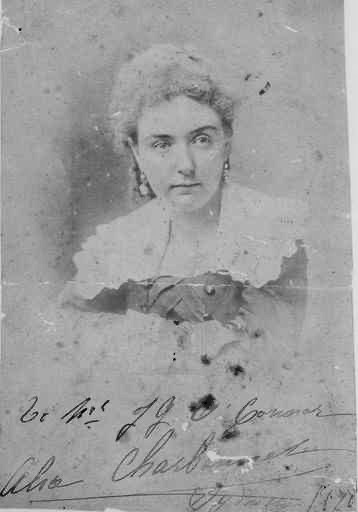
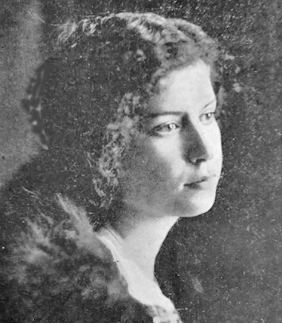
Alice Charbonnet-Kellerman
Alice Charbonnet was born in 1859 in the USA to Ellen, an American, and Amable, of a minor French nobility background.
He was the French empire’s Chief Justice in New Caledonia and Tahiti before returning to France in 1870 and seeing to Alice’s education. Music being considered an integral part of an upper class young lady’s education, she studied under some of the best teachers in Paris.
This unsettled life was further disrupted when Amable died on the way back to France in 1875.
The family was left to exist on a government pension but Alice returned to her musical studies and attempted to enter the Paris Conservatoire. In 1876 she was one of eight successful candidates from a list of 176.
But within another year the family were back in New Caledonia. With more financial issues Alice decided to tour Australia giving piano recitals.
She arrived in Sydney in 1878 and immediately caused a sensation. A young, 19-year-old French woman with great skill and knowledge of the latest in European musical style, Alice set the town alight. She gave a series of extremely popular and highly praised concerts and further endeared herself to audiences by supporting local charities. Before heading off to New Zealand, a concert was held for her and she was presented with a necklace and bracelet.
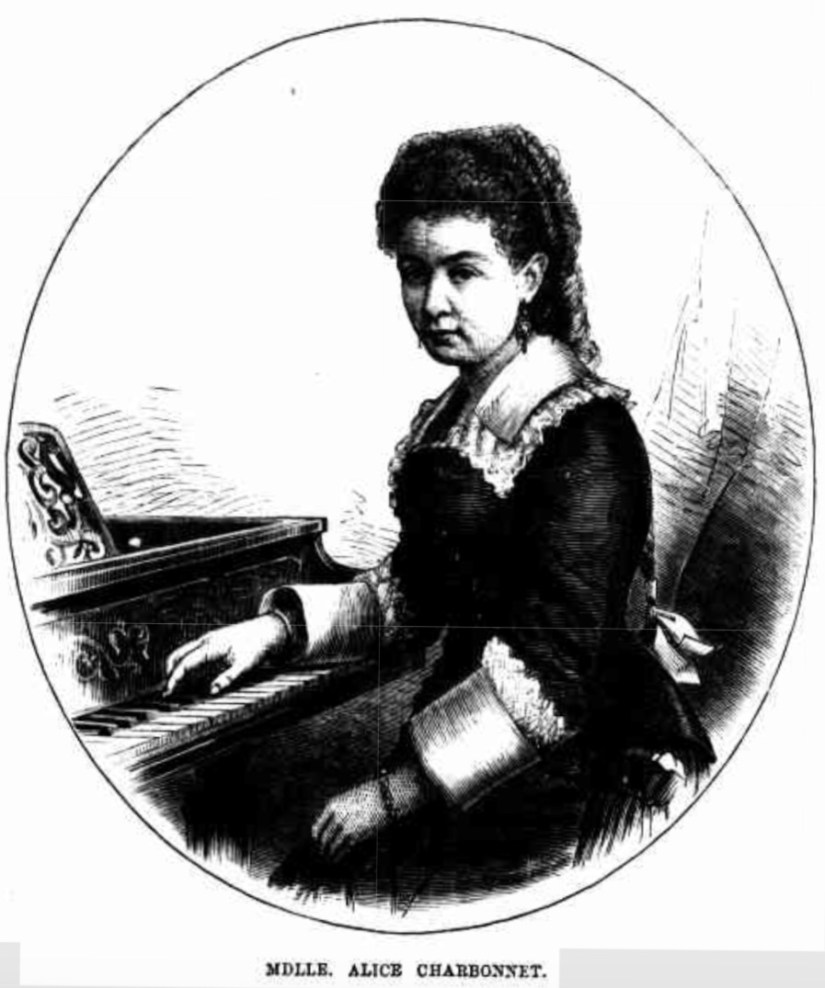
Image: Trove, The Sydney Mail & New South Wales Advertiser 13/7/1878 page 52.
In 1880 Alice was in Melbourne for the International Exhibition, the first of its kind in Australia. She was employed demonstrating French pianos, again to great acclaim. Remaining in Melbourne for two years Alice wrote two books on piano playing and taught music at the Presbyterian Ladies College where she made a big impression upon a young Nellie Mitchell. Alice taught the soon-to-be Nellie Melba how to accompany herself on the piano.
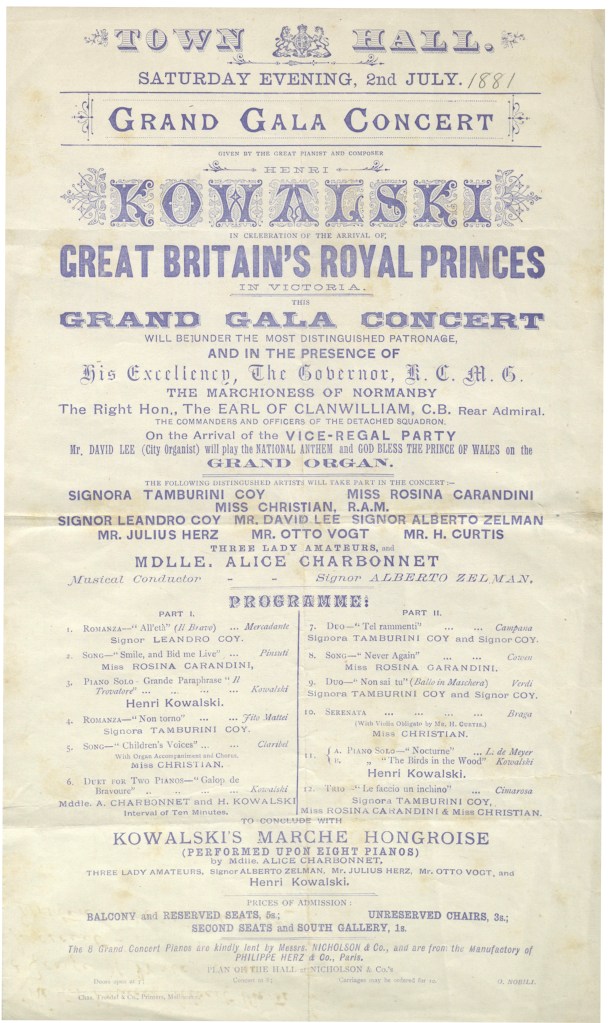
Back in Sydney in 1882 Alice married dashing musician, Frederick Kellerman. They established their own Conservatorium of Music at 43 Phillips Street. It was an immediate success and their end-of-year concerts were major events on the musical calendar. Along with ‘soirees’ at Phillips Street, Alice and Frederick were at the centre of the music scene in Sydney.
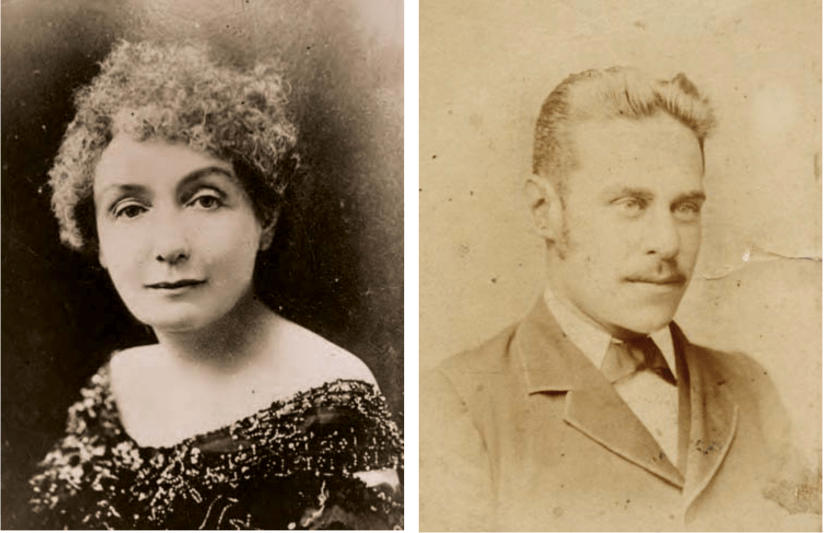
Images: Mitchell Library, State Library of NSW.
After living for some years in Darlinghurst the family (including their young daughter, Annette) moved to Silver Street, Marrickville. Once here Alice flung herself into the cultural life of the Roman Catholic Church. She became the ‘musical director’ of the numerous religious events at St Brigid’s church, leading the choir in the 1888 Easter celebrations and the Christmas service. For Pope XIII’s golden jubilee (since ordination) she conducted the “Recordare” from “Dies Irae” and the ‘Agnus Dei’ from Verdi’s Requiem. This was said to be the first time these pieces from the Requiem had been played in NSW, perhaps Australia.
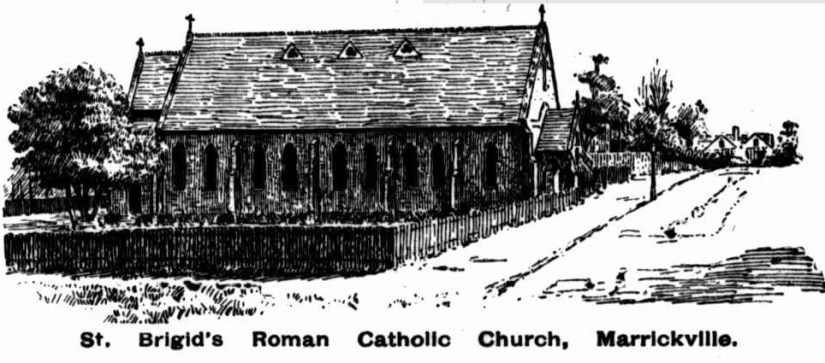
Image: Trove. Australian Town and Country Journal 30/7/1892 Pge. 29
Also in 1888, a statue of the Madonna was placed on top of the Warren mansion by the Carmelite nuns. Alice led the choir in the chapel during this celebration.
Times had gotten tougher for the Kellerman’s at the end of the 1880s. The boom was over, a depression was setting in and people cut back on things like music lessons. At the same time the young Annette was becoming a bit of a star and the focus of Frederick’s attention.
Eventually, Alice would return to Paris leading a musical life of soirees and lessons. Frederick would travel with Annette but became ill and died aged 47 in Paris in 1907.
Alice died in Paris in 1914, just before WWI, and was buried in Pere Lachaise cemetery along with Frederick and her father in the family vault. There they lie with Chopin, Maria Callas, Edith Piaf, Michel Petrucciani and Jim Morrison.
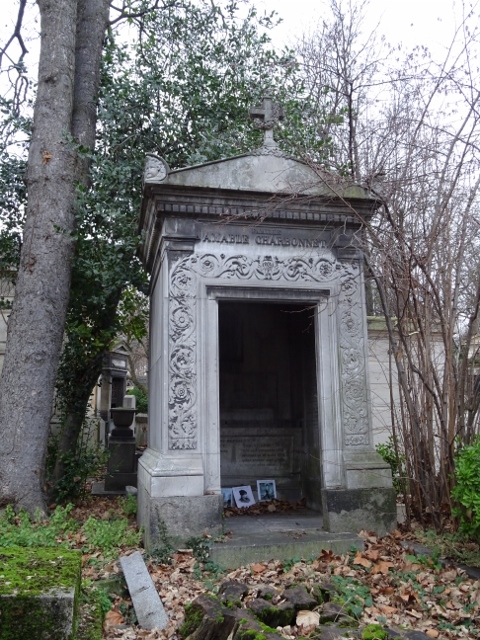
The images placed inside are from left to right: A large French residence; an Australian newspaper engraving of Alice, see the image at end of story; a photograph of Annette.
Image: Pere Lachaise website
By then Alice’s daughter, Annette, had truly eclipsed her as a celebrity, but Alice still had a moment.
In 1924 Annette Kellerman starred in a movie called ‘Venus of the Seas’, filmed in Nelson, New Zealand. It wasn’t her best, but the script was written by Alice Charbonnet-Kellerman.
Iris de Cairos-Rego
Iris de Cairos-Rego was also from a family of colonial administrators. Her grandfather was the Portuguese Governor and Captain General of Madeira, an island off the coast of Africa. But her father, George, had been born in Australia and had been living in ‘Windermere’ on Illawarra Road for 8 years when Iris was born there in 1894.
George was a prominent member of the Sydney music scene and lived in Marrickville at the same time as Alice Charbonnet-Kellerman. But while the 1890s had been tough for Alice, George managed to survive as a ‘Professor of Music’ teaching piano and music at ‘Windermere’.
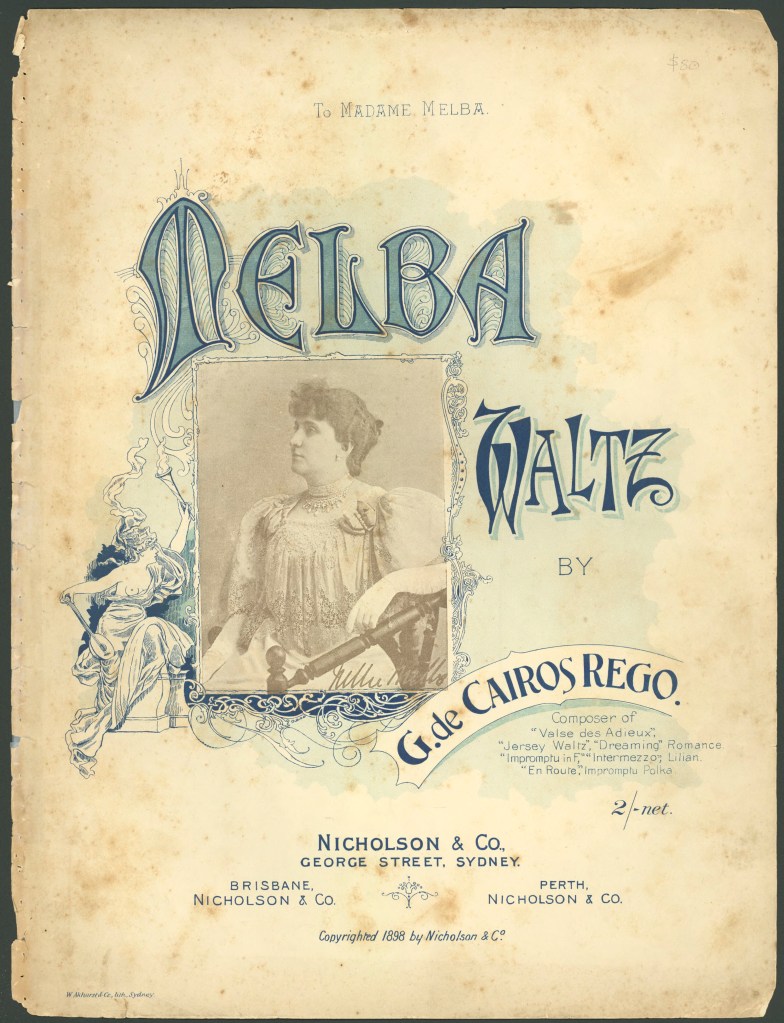
He also worked from two great music emporiums in Sydney – Elvy’s Music and W. H. Paling and Company – preparing students for Trinity College music examinations. It helped that he was on the Board of Examiners. George wrote many popular music pieces and helped create the Sydney College of Music, where he lectured.
Like Alice, he became involved in the Marrickville music scene, leading a concert by the Marrickville Music Society in the Protestant Hall (now Jimmy’s Brakes) on Illawarra Road.
With a parent like George, little Iris and her brother Rex were destined for music. By the time she was six, Iris was being hailed a ’musical prodigy’, having composed a melody aged three and then ‘In the Woods, Op. 1’ when she was five. Her ‘party trick’ was to name the note being struck on a piano.
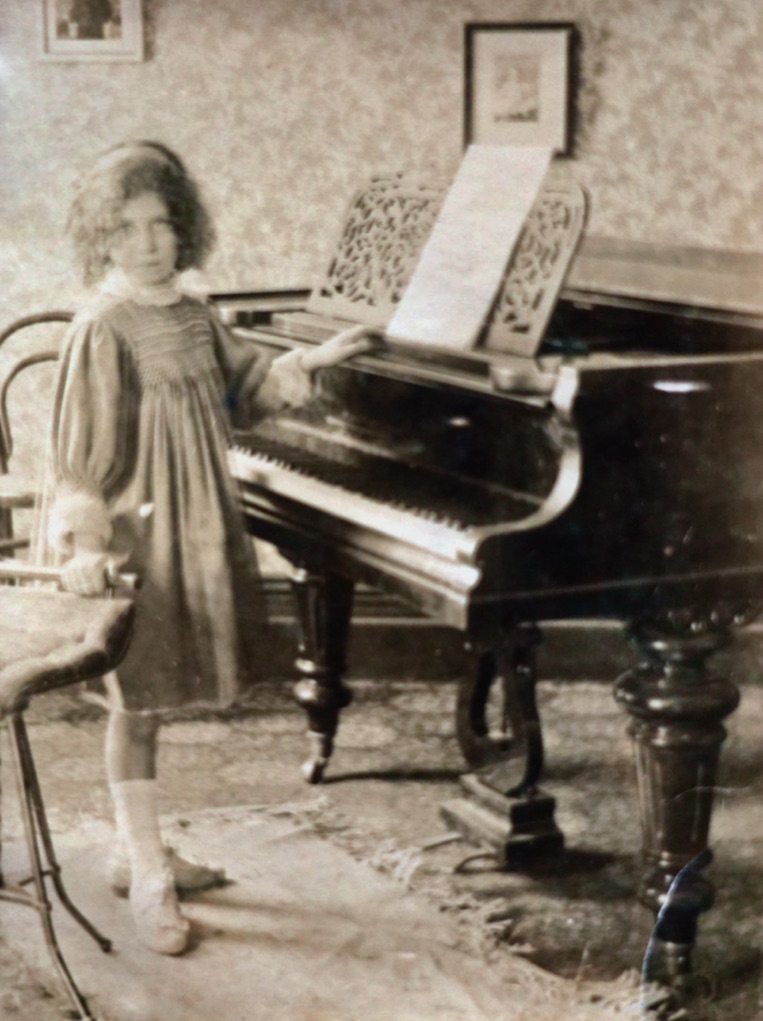
Image: The Iris, A Frensham Schools Magazine Edition 11 June 2025
In 1903, aged nine, Iris passed the Trinity College senior examination. Perhaps the youngest person ever to do so. She gave a series of concerts in Sydney where she played her composition ‘Romance in F’, which had been accepted for publication in London.
The family had left Marrickville by 1901 and in 1907 Iris, her mother and brother left Australia. They were headed to Berlin where Iris would study piano with the renowned Spanish pianist, Alberto Jonas.
After three years’ study Iris played a number of concerts in Germany to great acclaim. She moved to London and was chosen as the Australian pianist at the 1910 Festival of Empire at Crystal Palace. However, the king died suddenly and the festival was cancelled.
So back in Australia, still only 16, Iris re-presented herself to Sydney audiences. “Heaps of beautiful flowers from leading musical people rewarded the player, who will doubtless continue to advance during her public career.” (Sydney Morning Herald, 7/9/1910, page 14)
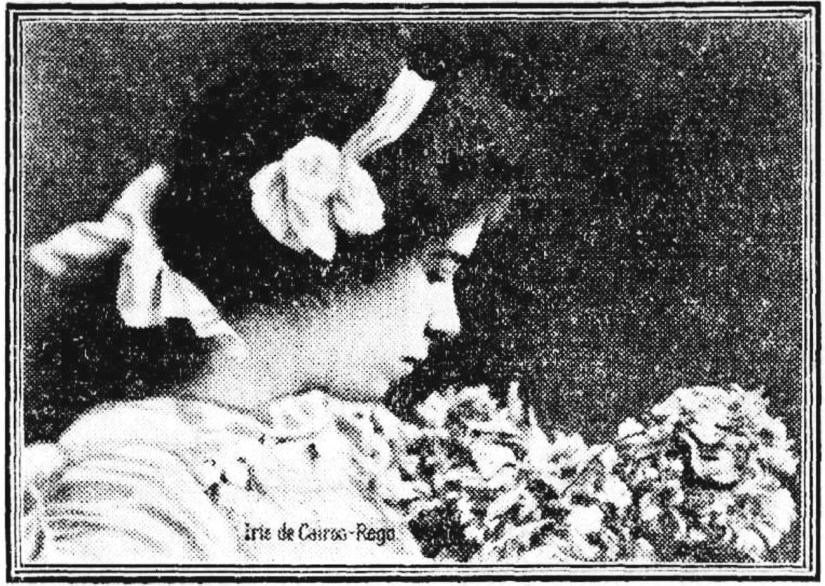
Image: Trove, The Daily Telegraph, 27/8/1910 page 8
But Iris actually spent some years as an accompanist for singers and joined the Salon Trio for a few years with Dorothy Curtis (violin) and Florence Brown (cello). Iris wrote a number of pieces for the trio, which are available on YouTube (search for ‘Jeanell Carrigan’).
When WWI broke out, Iris performed a series of concerts in aid of the Red Cross, and continued doing so throughout the war.
With her skills and her profile, it was inevitable that when the Sydney Conservatorium of Music opened in 1915 Iris was appointed one of its first teachers. She would remain there for 20 years.
Throughout this time Iris continued composing; one estimate has at least 22 pieces for solo piano from 1924-1957. Most of these were written at ‘Frensham’, a school for girls in Mittagong, NSW.
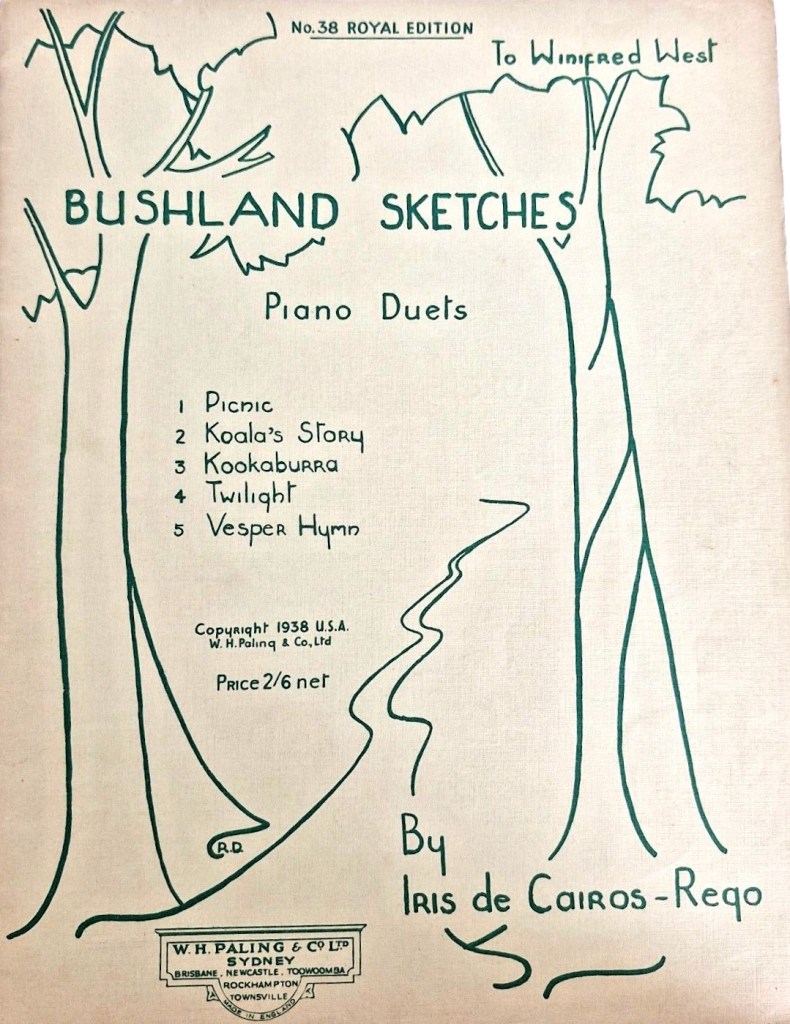
Image: eBay seller
In 1935, Iris was personally invited by the school’s founder, Winifred West, to join the staff for a year, but she stayed there until she retired in 1951.
It appears that Iris was perfectly happy to be away from Sydney and its music scene. Was it all that early recognition and fame which led to her seeking a different life? Whatever it was, Iris did return occasionally to Sydney for concerts in support of war causes (Food for Britain Fund and Red Cross) as she had done from 1914-18.
After retirement, Iris set out on some world travel but settled in Mittagong where her brother Rex and his wife, Nancy, moved next door.
Iris died in a nursing home in Bowral in 1987 aged 93.
Iris’s withdrawal from the Sydney music scene has meant that she has slipped from view today, however if you attended the exhibition ‘Dangerously Modern: Australian Women Artists in Europe 1890-1940’ you may have heard three pieces by her: 4 Sketches No. 1, Granne Vale, and Waltz in E major. (The exhibition playlist on Spotify is still available.)
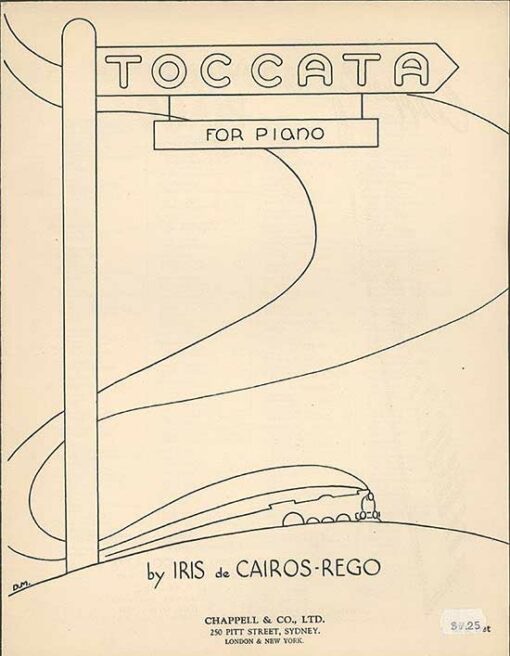
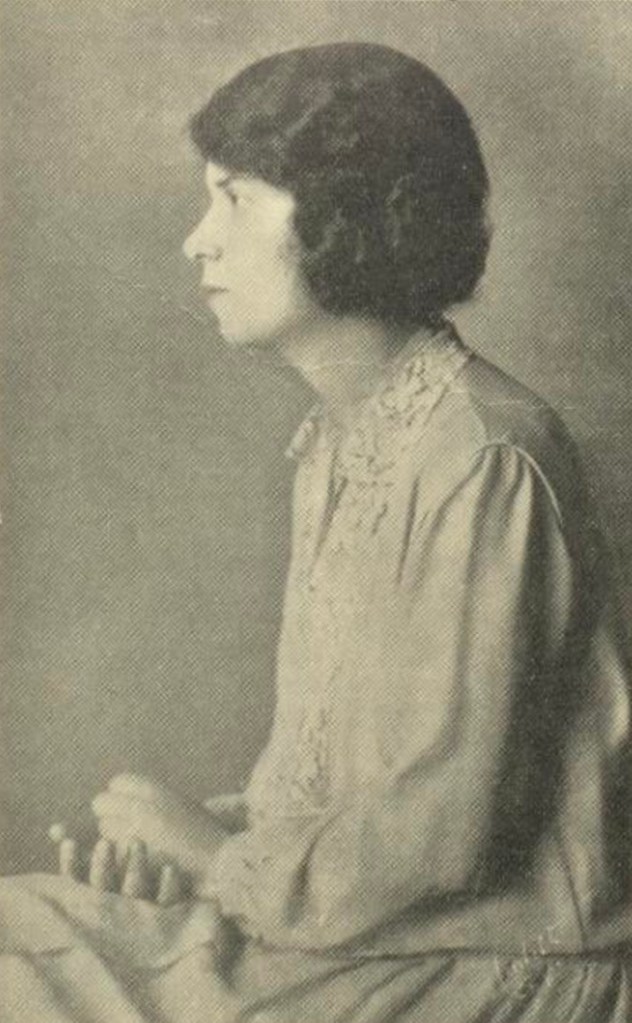
Vol.35 No.976 (1/11/1928) Page 37
There are a number of works by Iris (I have found 24) available on YouTube, if you would like to listen.
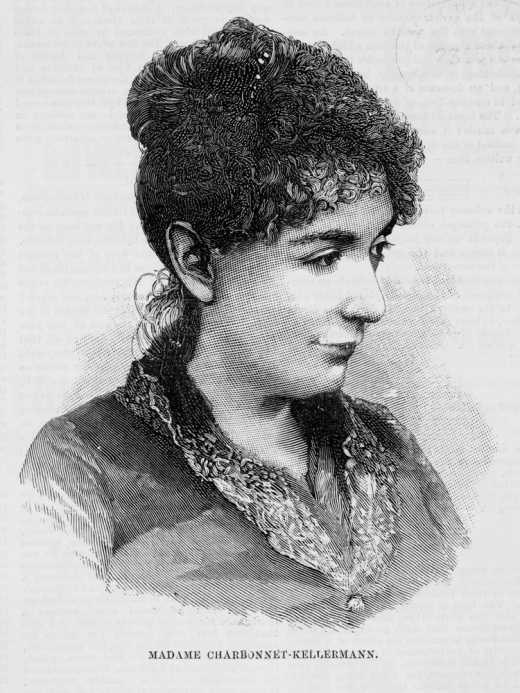
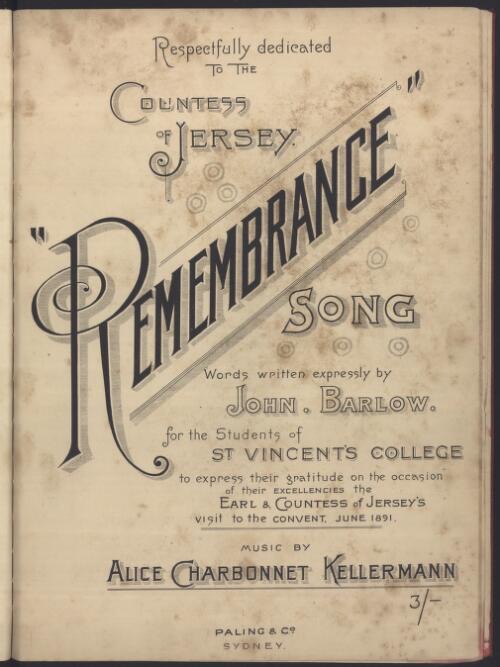
I have found only 5 works by Alice on YouTube.
Rod Aanensen
I wish to acknowledge Jeanell Carrigan who has done so much to bring Iris’s and other Australian women composers’ work to a modern audience.
Also, thank you to Frensham School, Mittagong for their efforts in preserving the records of Iris de Cairos-Rego.
 Marrickville Heritage Society